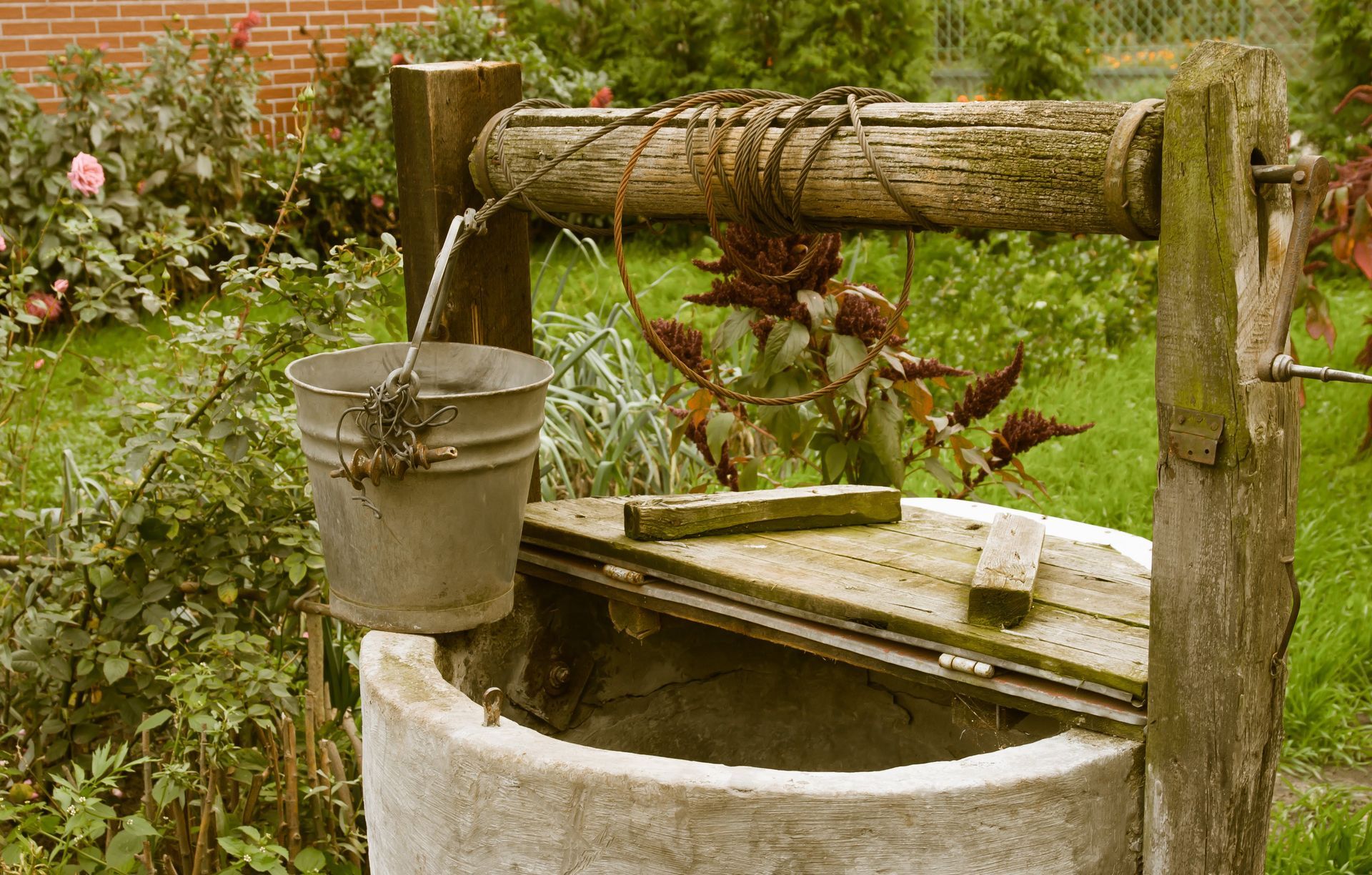
5 Top Questions Before Home Well Drilling in Michigan
If you're considering home water well drilling in Michigan, you likely have questions about the process, cost, permits, and long-term maintenance. For homeowners in Hartland and across the state, investing in home water well drilling in Michigan is a major decision that impacts your property’s value, water quality, and daily comfort. Before hiring a contractor, it’s important to understand what to expect and what to ask.
At Berg Well Drilling, we believe informed homeowners make confident decisions. Below is a helpful Q&A homeowner prep guide to walk you through the five most important questions to ask before moving forward with home well drilling in Michigan.
1. What Permits Are Required for Home Water Well Drilling in Michigan?
Before any drilling begins, proper permits must be secured. Michigan has strict regulations regarding groundwater protection and well placement.
A professional contractor should handle:
• Local and state permit applications
• Site inspections
• Compliance with setback requirements
• Documentation for health department approval
Permits ensure your well is installed safely and legally. Ask your contractor if they manage the paperwork on your behalf. Reputable companies that specialize in home water well drilling in Michigan will guide you through the process and prevent costly compliance mistakes.
2. How Deep Will My Well Need to Be?
One of the most common homeowner questions is about depth.
The truth is, well depth varies significantly depending on:
• Your property’s geology
• Local aquifer levels
• Nearby well data
• Water demand needs
In Michigan, residential wells can range anywhere from 50 feet to several hundred feet deep. During your consultation, ask for a site evaluation and an estimate based on local conditions. Experienced drillers rely on geological mapping and regional well logs to determine safe, reliable depths.
Choosing a contractor with extensive experience in home water well drilling in Michigan ensures you receive accurate projections rather than guesswork.
3. Will My Water Be Safe? What About Water Quality Testing?
Water quality is a top priority for any homeowner.
After drilling and installation, comprehensive water testing should be performed to check for:
• Bacteria
• Nitrates
• Iron or Manganese
• Hardness levels
• Other naturally occurring minerals
A responsible contractor will either provide testing services or recommend certified laboratories. This step is essential in protecting your family’s health.
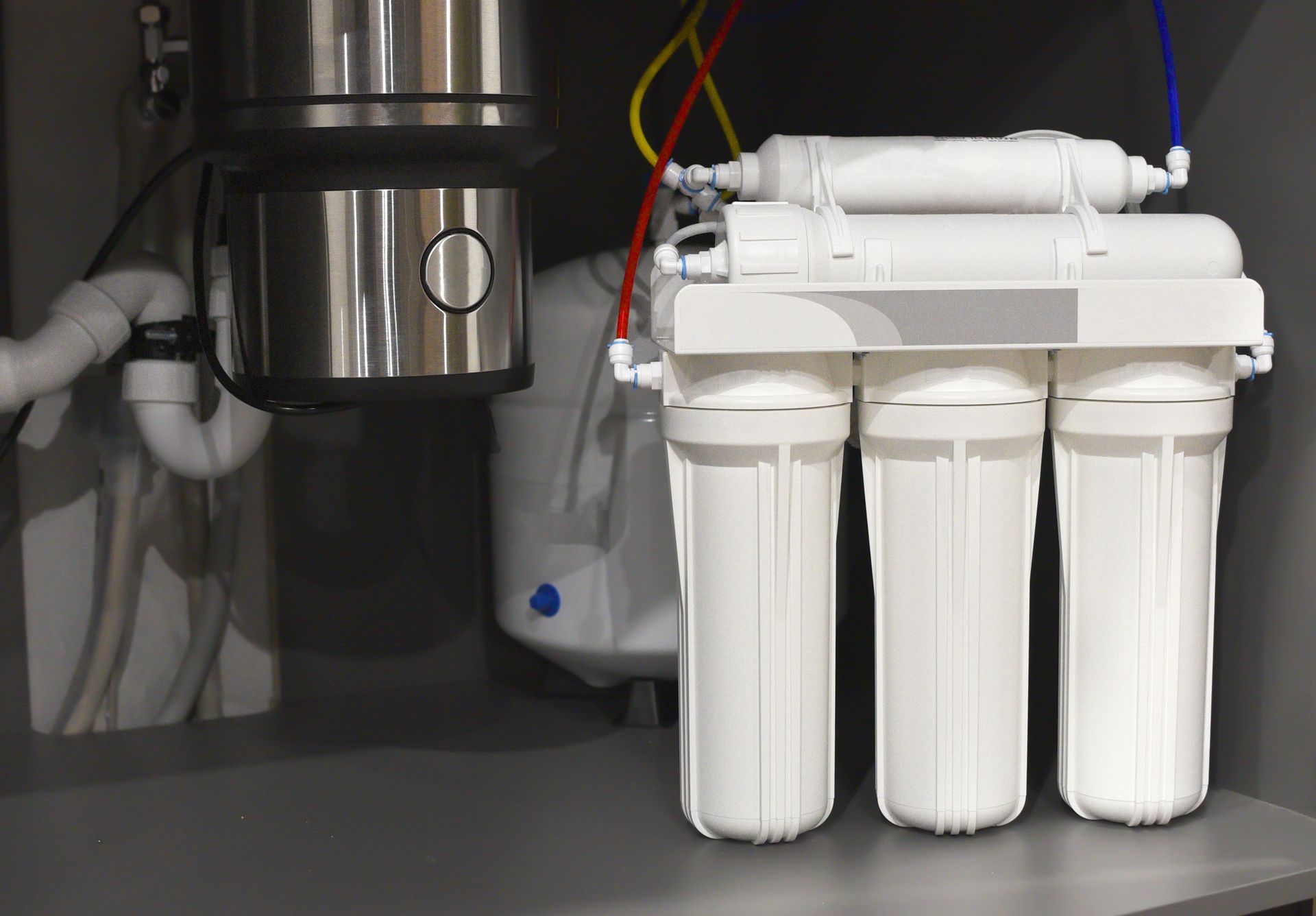
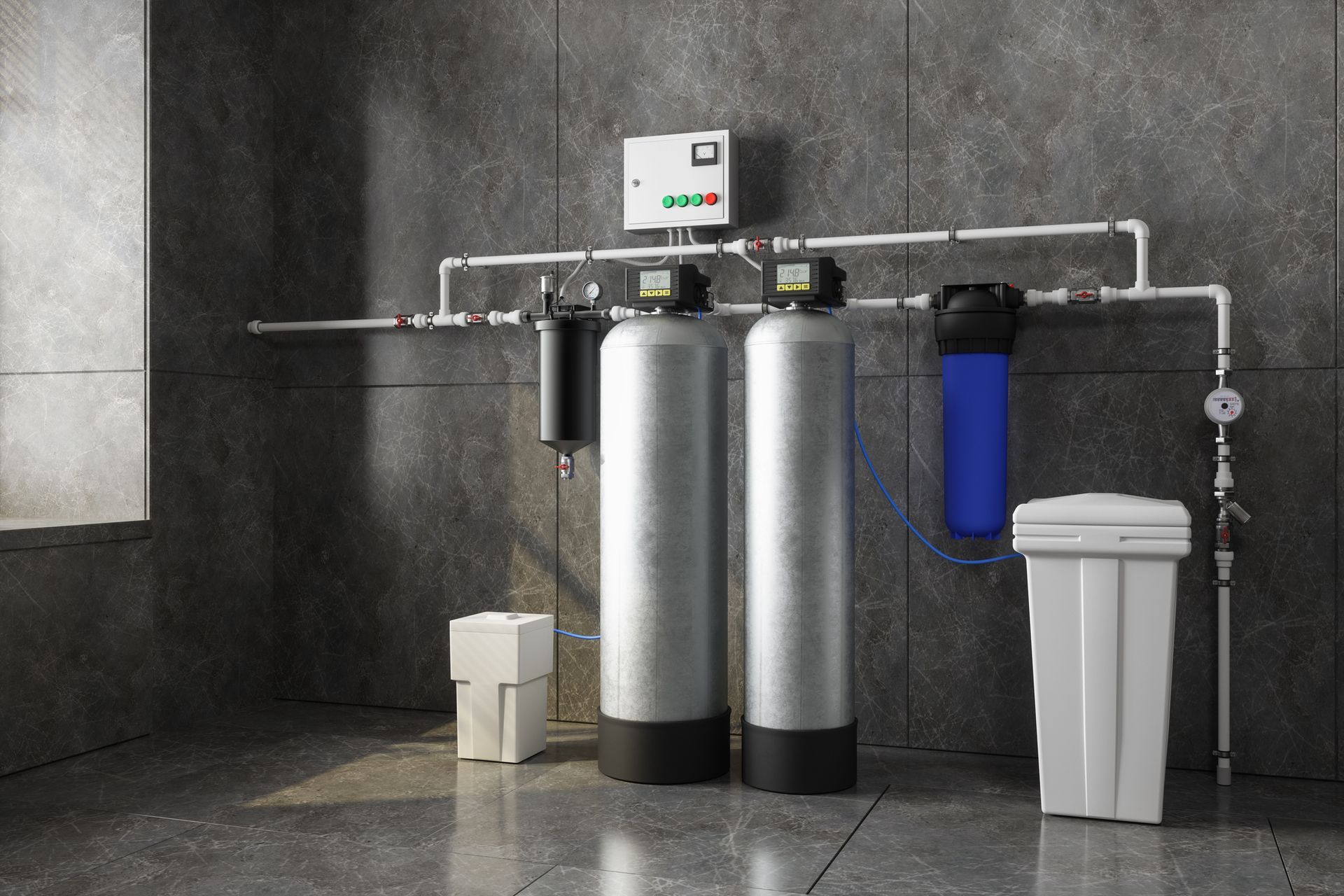
If treatment systems are necessary, your driller should clearly explain filtration or softening options. Proper testing is a crucial step in responsible home water well drilling in Michigan, especially in rural or agricultural areas.
4. What Maintenance Is Required After Installation?
Your well system doesn’t end once drilling is complete. Like any major home system, it requires ongoing care. Here’s what homeowners should plan for:
Routine Inspections
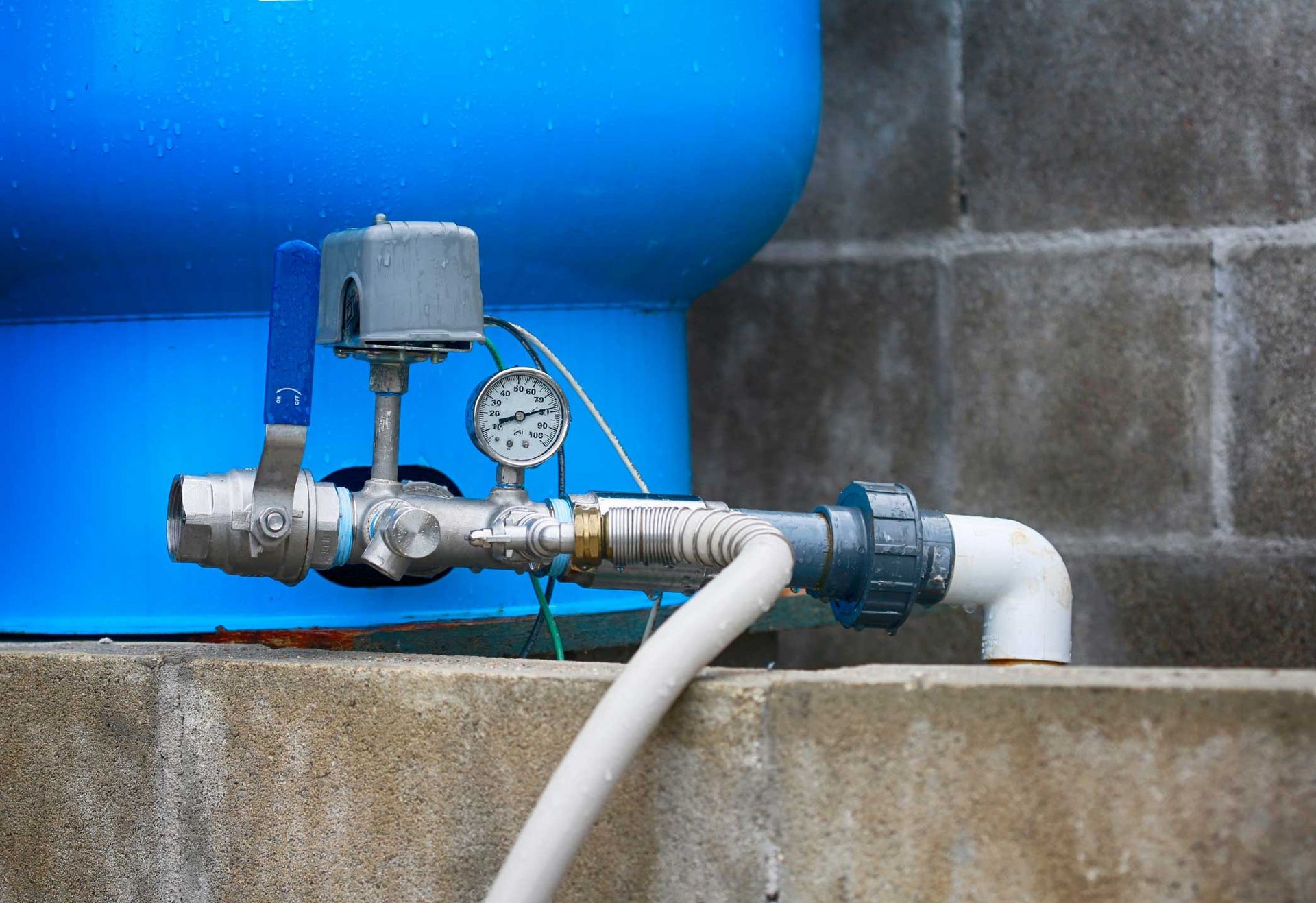
Have your well inspected annually to check pumps, pressure tanks, and seals.
Periodic Water Testing
Even after initial approval, test your water yearly for bacteria and other contaminants.
Protecting the Wellhead
Keep the area around your well clear of debris, chemicals, and landscaping hazards. Tree roots can interfere with underground components over time.
Maintaining proper clearance protects your investment and extends your system's life.
Reliable home water well drilling providers in Michigan will educate you on long-term upkeep before completing the project.
5. What Should I Look for in a Drilling Contractor?
Hiring the right contractor is arguably the most important decision in the entire process.
When evaluating providers, ask:
• Are you licensed and insured in Michigan?
• How many years of experience do you have?
• Do you provide written estimates?
• What warranties are included?
• Can you share local references?
Experience matters. Look for home water well drilling companies with a proven track record in residential projects. Professionalism, transparency, and communication are signs you’re working with a trusted expert.
Bonus: How Should I Prepare My Property Before Drilling?
Homeowner preparation helps the project move efficiently.
Before drilling day:
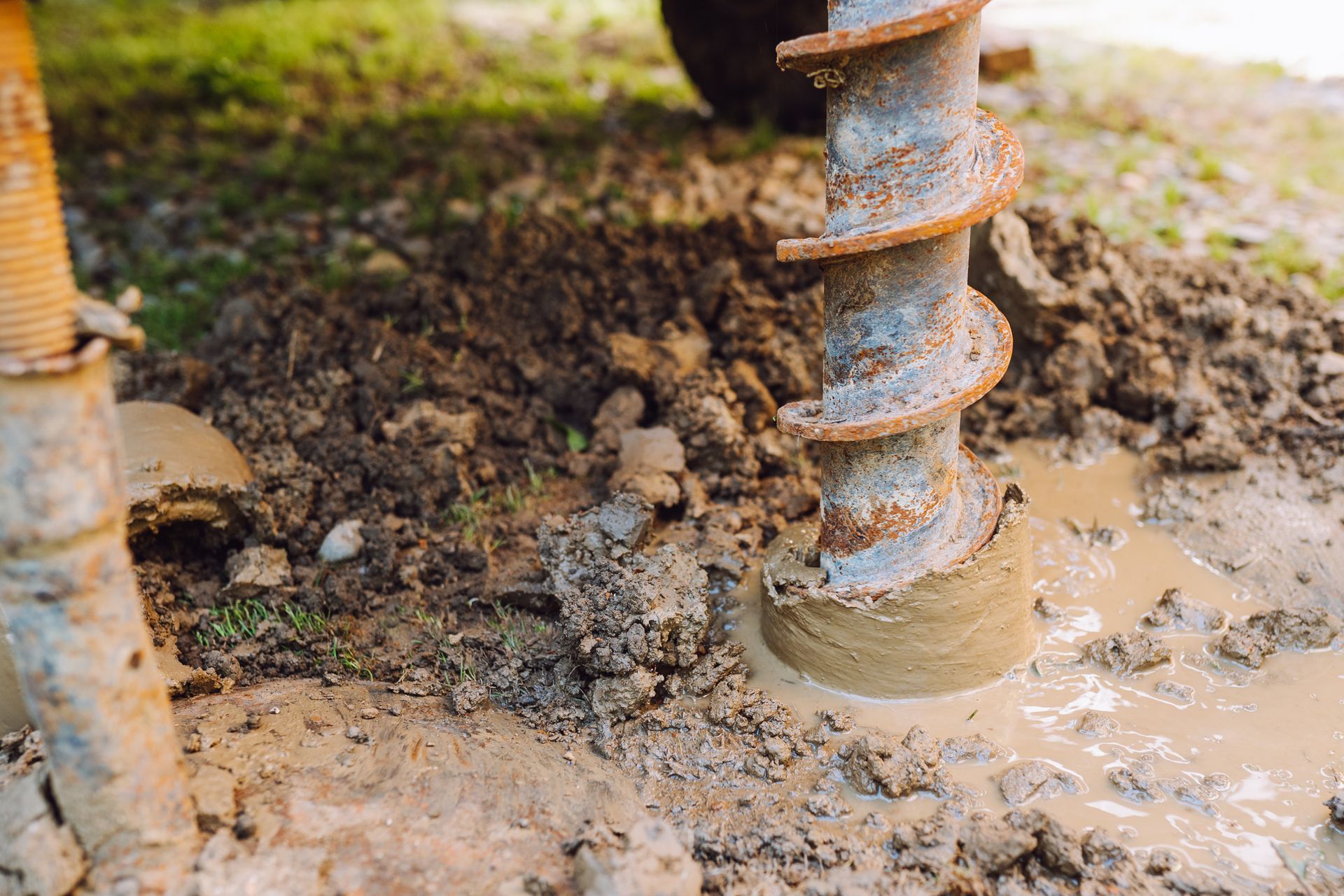
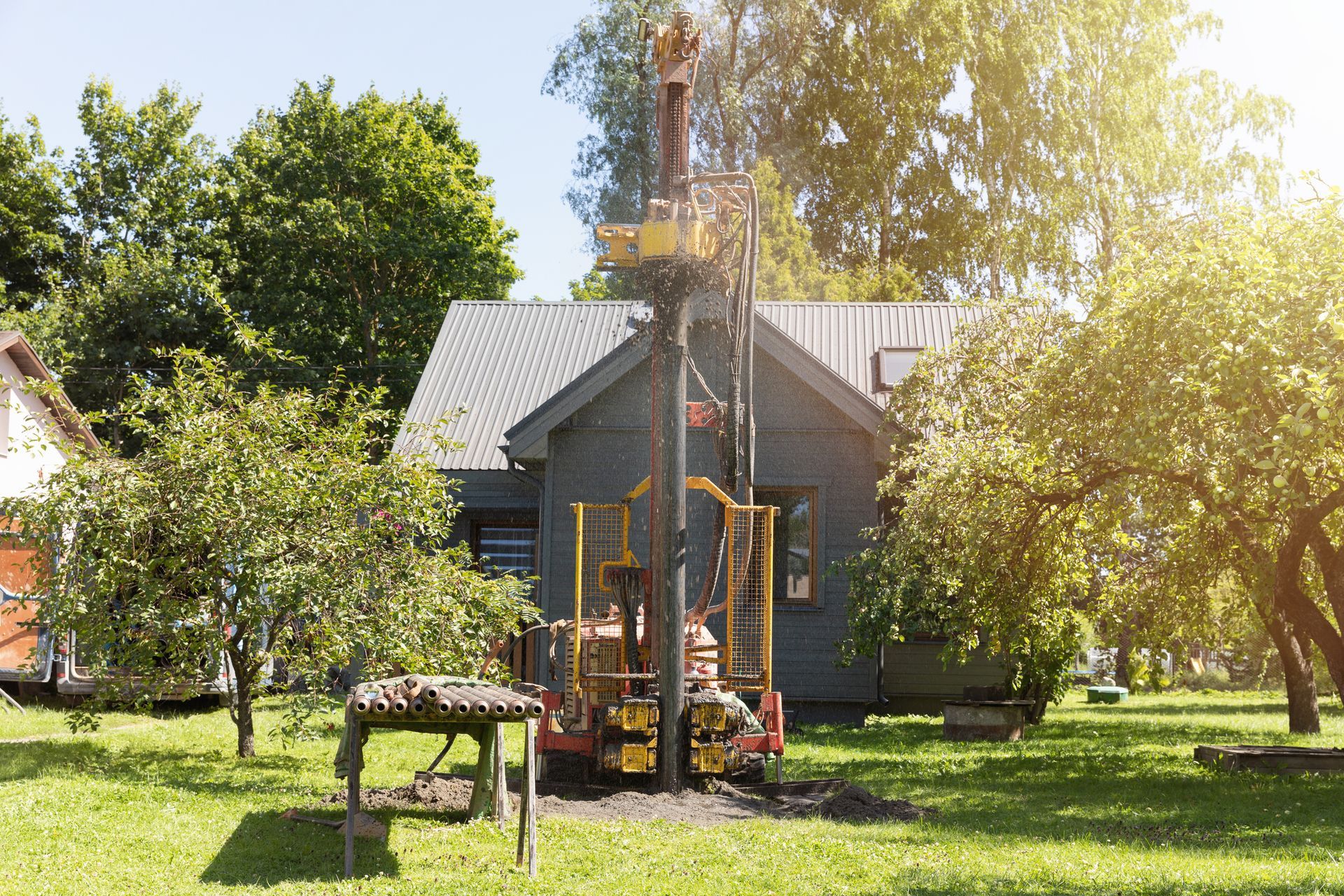
• Clear access for heavy equipment
• Mark septic systems and underground utilities
• Remove landscaping obstacles
• Confirm power supply requirements
A pre-project walkthrough with your contractor ensures no surprises. Proper prep supports smooth home water well drilling in Michigan and prevents unnecessary delays.
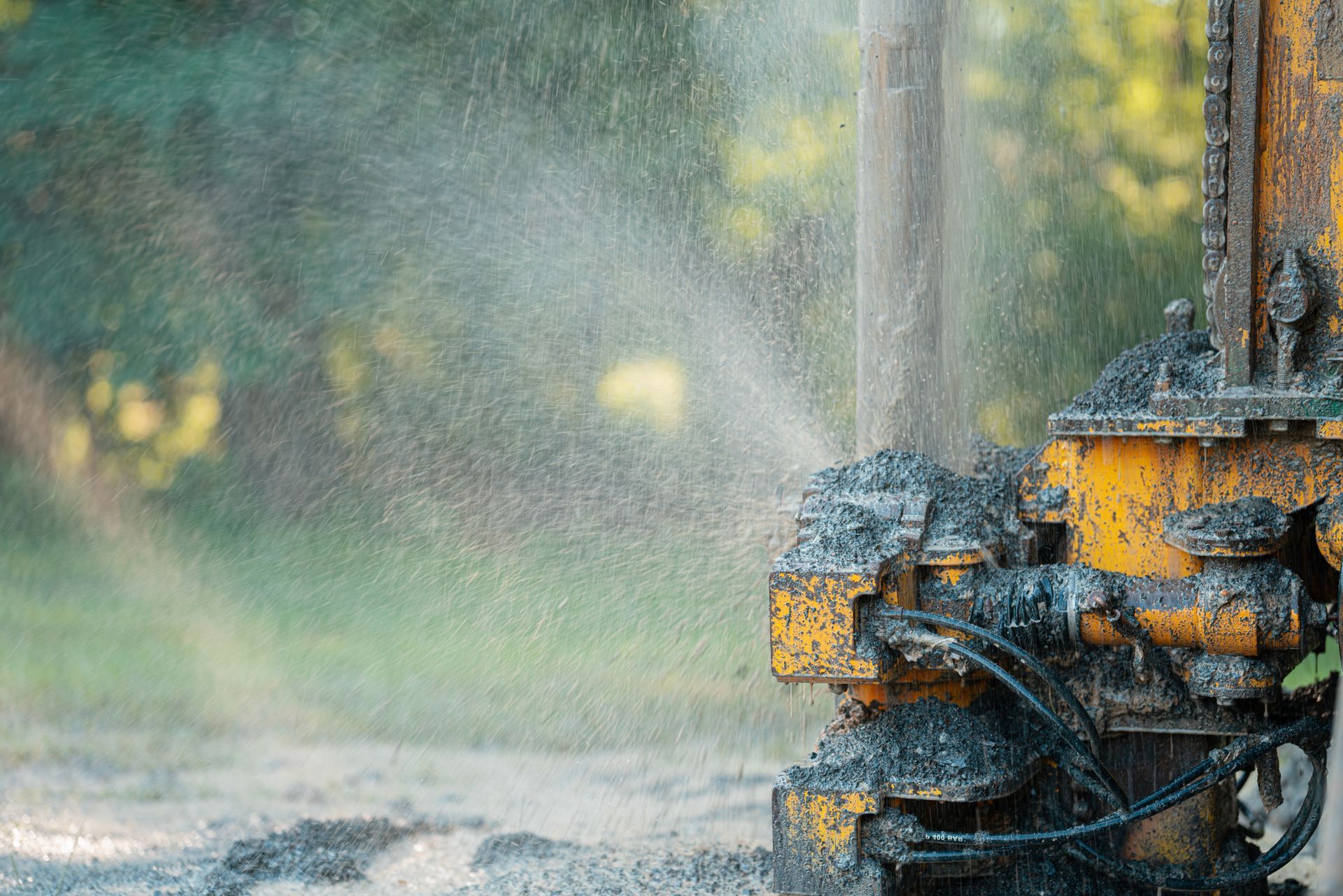
Why Local Experience Matters in Michigan
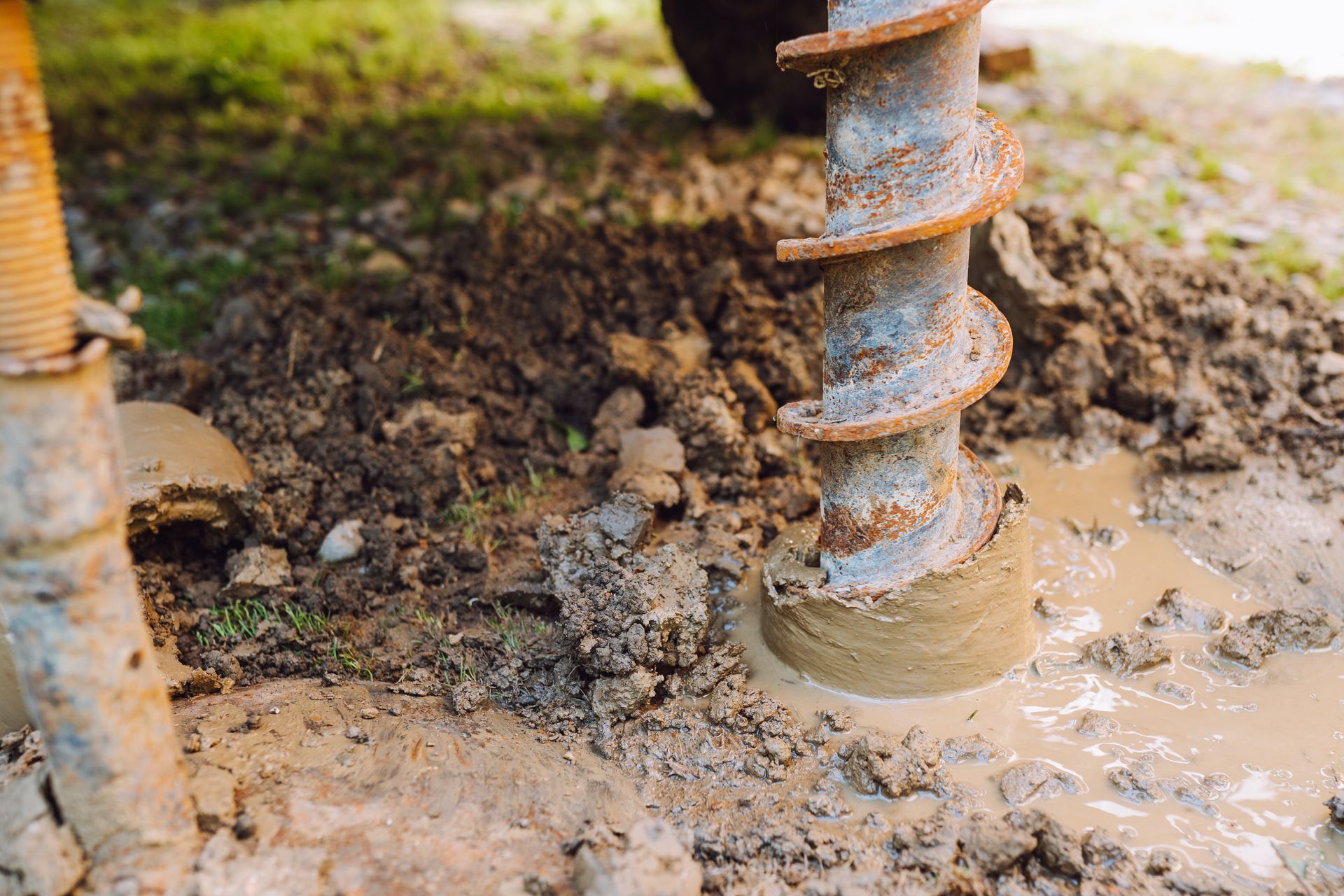
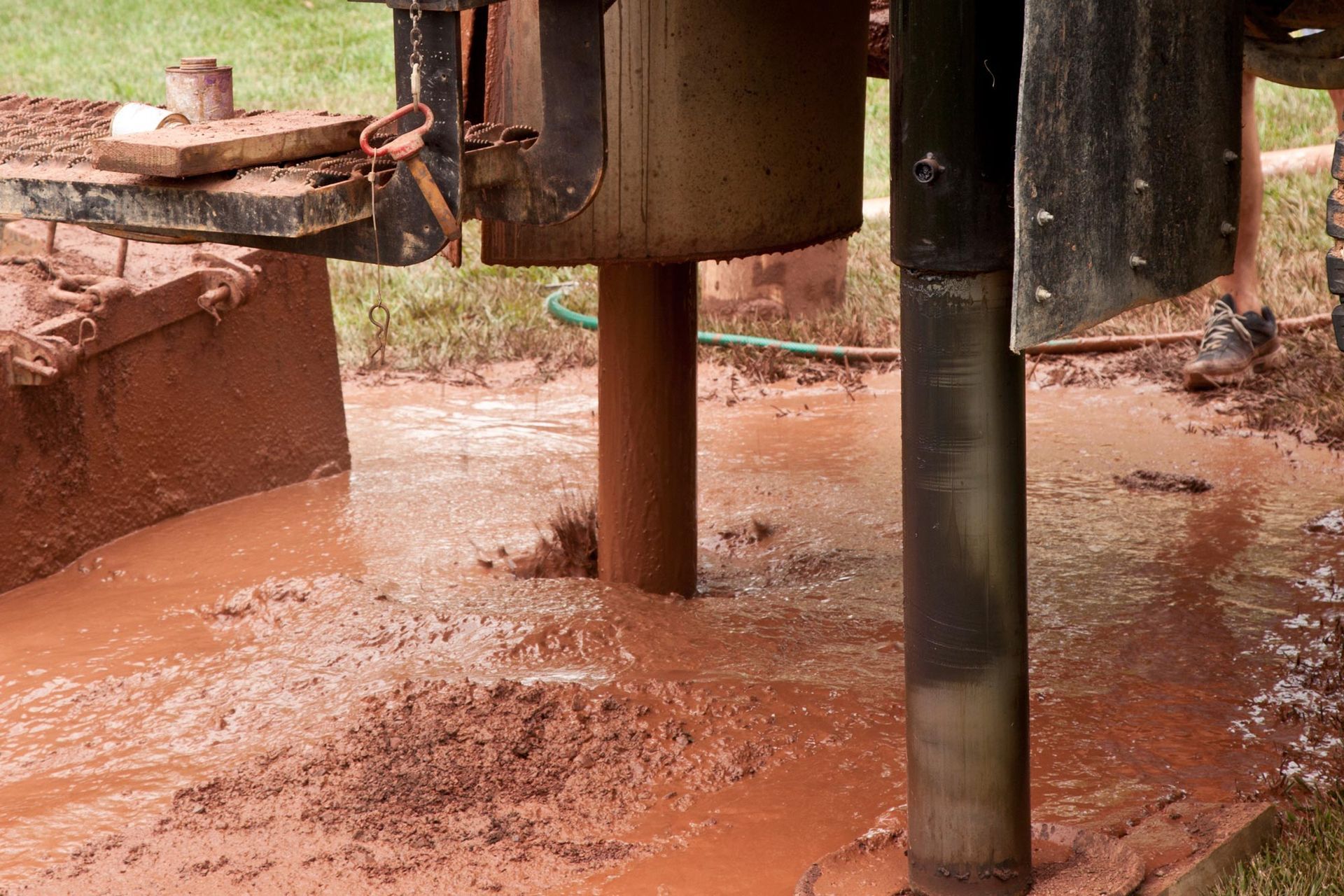
Michigan’s soil and groundwater conditions vary widely—from sandy regions to dense clay and bedrock areas. Local expertise ensures drilling techniques match the terrain. Contractors familiar with Michigan aquifers understand seasonal groundwater fluctuations and how to secure consistent yields year-round.
When it comes to home water well drilling in Michigan, local knowledge can make the difference between a dependable system and future complications.
Final Thoughts: Making a Confident Decision
Investing in home water well drilling in Michigan is a long-term commitment that provides independence, reliability, and property value benefits. By asking the right questions about permits, depth, water testing, maintenance, and contractor qualifications, you protect both your investment and your household.
At Berg Well Drilling, we guide homeowners through every stage of the process, from consultation to installation and beyond. Our team prioritizes transparency, compliance, and craftsmanship to ensure your well system delivers dependable performance for years to come.
If you're ready to take the next step or have additional questions about your property,
contact us to schedule a consultation or call us directly at
(231) 946-2846 to speak with our experienced team today.